How Donor Breast Milk Helps Premature Babies in the NICU
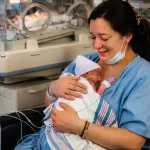
For premature and medically vulnerable babies, breast milk can play a critical role in early development and long-term health. When a mother’s own milk is unavailable or limited, donor breast milk provides an important alternative for neonatal intensive care units (NICUs) and families across Australia.
At Mothers Milk Bank Charity, donor human milk helps support premature babies during some of their most vulnerable stages of life.
Why Premature Babies Need Human Milk
Premature babies are born with underdeveloped immune and digestive systems. Human breast milk contains antibodies, nutrients, enzymes, and protective factors that can help support growth and reduce complications.
Research has shown that donor human milk may help lower the risk of serious conditions such as necrotising enterocolitis (NEC), a potentially life-threatening intestinal disease that primarily affects premature infants.
For many NICU teams, donor milk becomes an important bridge until a mother’s own milk supply is established.
What Is Donor Breast Milk?
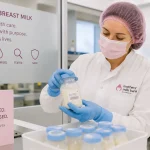
Donor breast milk is breast milk generously donated by screened and approved mothers who produce more milk than their baby requires.
Before donor milk is provided to hospitals or families, it undergoes strict safety processes including:
* donor health screening
* medical history checks
* milk testing
* pasteurisation
* safe storage procedures
These processes help ensure donor milk is safe and suitable for medically vulnerable babies.
Benefits of Donor Milk for Premature Babies
- Supports Digestive Health
- Human milk is easier for premature babies to digest compared to formula, helping support feeding tolerance and gut development.
- Provides Immune Protection
- Breast milk contains naturally occurring immune factors that may help protect babies from infections during their NICU stay.
- Helps Support Healthy Growth
- Donor milk provides essential nutrients that support brain development, organ growth, and overall wellbeing during early infancy.
- Supports Families During Difficult Times
- For many families, access to donor milk can provide reassurance and emotional support during a stressful NICU journey.
How Mothers Milk Bank Charity Supports Australian Families
Mothers Milk Bank Charity works with hospitals and healthcare providers to help ensure access to safe donor human milk for babies who need it most.
The charity relies on the generosity of breast milk donors throughout Australia to continue supporting premature and vulnerable infants.
Every donation can make a meaningful difference to families facing complex medical challenges.
How You Can Help
If you are currently breastfeeding and producing excess milk, you may be able to help support premature babies through breast milk donation.
Learn more about:
* becoming a donor
* donor eligibility requirements
* the donation process
* how donor milk helps NICU babies
by visiting the donation information pages on Mothers Milk Bank Charity.
Is donor breast milk safe?
Yes. Donor breast milk undergoes strict screening, testing, and pasteurisation processes before being provided to hospitals or families.
Who can receive donor breast milk?
Donor milk is often prioritised for premature, low birth weight, or medically vulnerable babies, particularly those in NICU care. Mothers Milk Bank is the only Australian Community Milk Bank to provide milk to families in the community when mothers own milk is not an option.
Can I donate breast milk in Australia?
Many healthy breastfeeding mothers with excess milk may be eligible to donate. Screening and safety requirements apply.
Why is donor milk important for premature babies?
Donor human milk can help support digestion, immunity, and growth while reducing the risk of certain complications in premature infants.