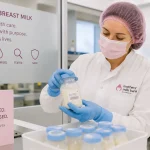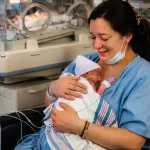
Many breastfeeding mothers find themselves producing more milk than their baby requires. If you have an oversupply of breast milk, you may be able to help support premature and medically vulnerable babies through breast milk donation.
At Mothers Milk Bank Charity, generous donors play a vital role in helping babies access safe donor human milk when their mother’s own milk is unavailable or insufficient.
Whether you have a small freezer stash or a significant excess supply, your donation could make a meaningful difference to families across Australia.
Why Donate Breast Milk?
Breast milk contains a unique combination of nutrients, antibodies, enzymes, and bioactive components that support infant growth and development.
For premature babies and those facing medical challenges, donor human milk can provide important nutritional and immunological benefits during a critical stage of life.
Every donation helps provide vulnerable babies with access to human milk when it is needed most.
Who Is Eligible to Donate Breast Milk?
Many healthy breastfeeding mothers may be eligible to become donors.
While individual requirements can vary, potential donors are generally expected to:
- Be in good overall health
- Have a breast milk supply that exceeds their own baby’s needs
- Be willing to complete a health screening questionnaire
- Be willing to undergo blood testing where required
- Follow recommended milk expression and storage practices
Each donor is assessed individually to help ensure the safety of recipient babies.
What May Affect Donation Eligibility?
To protect vulnerable infants, certain factors may affect a mother’s eligibility to donate.
These can include:
- Certain medications
- Smoking or nicotine use
- Recreational drug use
- Some medical conditions
- Certain infectious diseases
The screening process allows the milk bank team to determine whether donation is appropriate and safe.
What Does the Screening Process Involve?
The donor screening process is designed to be supportive and straightforward.
Initial Enquiry
Prospective donors contact Mothers Milk Bank Charity to express their interest in donating.
Health Screening
A health questionnaire helps assess medical history, lifestyle factors, and general eligibility.
Blood Testing
Blood testing may be required to screen for infectious diseases in accordance with donor milk banking guidelines.
Donation Approval
Once approved, donors can begin donating stored breast milk.
The team provides guidance throughout the process and can answer any questions along the way.
How Should Milk Be Stored for Donation?
Safe milk handling is important.
Donated milk should generally be:
- Expressed using clean equipment
- Stored in suitable breast milk storage containers or bags
- Frozen promptly after expression
- Labelled according to guidance provided by the milk bank
The Mothers Milk Bank Charity team can provide advice on best-practice storage requirements.
Is There a Minimum Amount of Milk Required?
Every donation helps.
Some mothers donate a small amount of milk, while others contribute many litres over time.
If you are unsure whether your stored milk may be suitable for donation, contact the team for advice.
How Your Donation Helps Babies
Donor milk may be used to support:
- Premature babies
- Babies in neonatal intensive care units (NICUs)
- Low birth weight infants
- Babies whose mothers are temporarily unable to produce enough milk
- Medically vulnerable babies requiring additional nutritional support
For many families, donor milk provides reassurance during an incredibly challenging time.
How to Become a Breast Milk Donor
If you are currently breastfeeding and have excess milk available, we encourage you to get in touch.
Our team can discuss eligibility requirements, explain the donation process, and help determine whether breast milk donation is right for you.
Every donor helps create a positive impact for babies and families throughout Australia.
FAQ
Can I donate frozen breast milk?
- In many cases, yes. Previously frozen milk may be accepted if it meets storage and eligibility requirements.
Can I donate if my baby is older?
- Potential donors are assessed individually. Contact the team to discuss your circumstances.
Is breast milk donation safe?
- Yes. Donors undergo screening and donated milk is processed according to strict safety protocols.
Why is donor breast milk important?
- Donor breast milk provides vulnerable babies with access to human milk when their mother’s own milk is unavailable or insufficient.